
It’s time the tobacco industry paid the bill for the damage it causes content

By Dr Stuart Griffiths, Director of Research, Policy and Impact at Yorkshire Cancer Research
The tobacco industry makes enormous profits, and it's hard to understand why companies earning such extraordinary sums are allowed to pass the real costs of smoking straight to the public.
In Yorkshire alone, where smoking rates are the highest in England, smoking drains billions from the economy every year through NHS treatment, lost productivity and social care.
Families, communities and the health service all shoulder the consequences of tobacco use, with people living in the most deprived areas bearing the heaviest and most damaging burden.
Meanwhile, the tobacco industry avoids paying in any meaningful or proportionate way.
This No Smoking Day, it’s time to talk about a simple, fair solution: make the polluter pay through a tobacco industry levy charged by the Government.
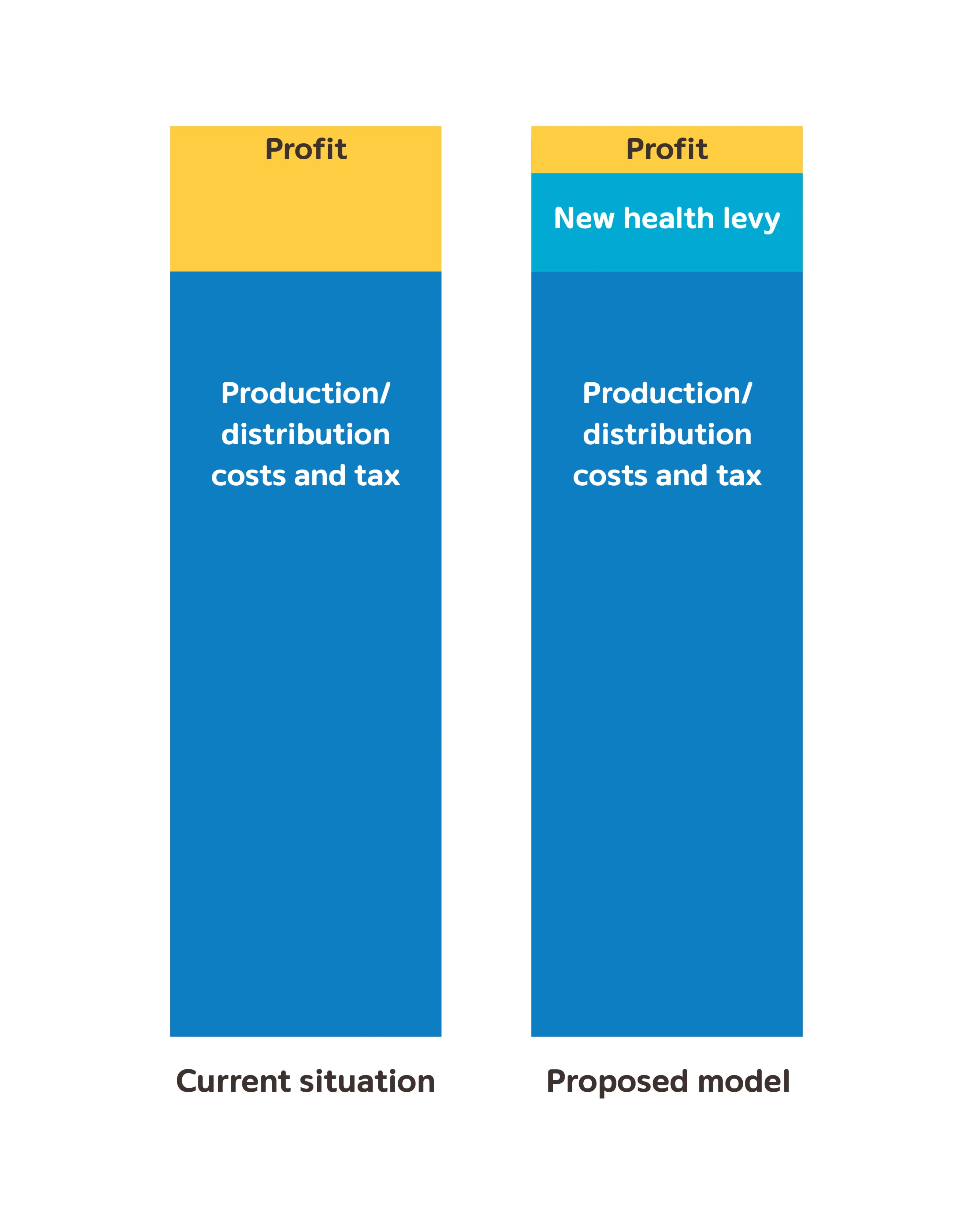
A levy would cap the industry’s profits at a reasonable level and redirect the excess into stop smoking services.
In simple terms, the Government would limit how much profit manufacturers can make on each pack, based on their real production costs.
Retail prices for people who smoke wouldn’t go down, because that could encourage more smoking.
Instead, the difference would be collected by the Government as a “health levy” and used to fund support for people who want to quit. The financial burden would shift from the public to the industry responsible for the harm.
This single policy could raise around £700 million every year.
It’s hard to imagine another product that kills so many people, harms so many families and costs our society so much, while the companies selling it keep such enormous profits. If this were any other industry, the public would never accept it.
A “polluter pays” levy would shift the financial responsibility back where it belongs, onto the companies making money from addiction and not the taxpayers.
This financial fairness matters even more now because the UK stands on the brink of major progress.
The National Cancer Plan sets out important ambitions, including wider access to stop smoking support through the NHS App and integrating support into routine hospital care.
These are the right priorities, and they will save lives. But they also require stable, long‑term funding. One‑off pots of money and short‑term initiatives simply won’t deliver the scale of change needed to bring smoking rates down across Yorkshire or the country.
That’s why a polluter‑pays levy is so crucial. Every measure designed to help people quit, from stop smoking support in hospitals, digital tools through the NHS App, or targeted services in deprived communities, relies on sustained investment. Right now, that cost falls on the public purse. A levy would shift it onto the tobacco industry, whose products create the harm in the first place.
The same applies to the Tobacco and Vapes Bill and the Government’s consultation on smokefree places. Stronger protections for children and the ambition to create a smokefree generation all move us in the right direction, but none of them can reach their full potential without properly funded stop smoking services behind them.
A polluter‑pays levy would underpin the National Cancer Plan, strengthen the Tobacco and Vapes Bill, and ensure local services can help people quit at every opportunity. It could be a mechanism that turns policy into progress, and ambition into action.
Smoking remains the leading cause of preventable cancer. It is responsible for 7 in 10 lung cancers and a significant number of other cancers too. And yet we stand within reach of real, lasting change.
Quote from Dr Stuart Griffiths
A polluter pays levy would ensure the funding needed to support that change. It would strengthen stop smoking services, protect future generations and give the NHS the resources it needs to help people quit for good.
We have the tools and the evidence. Now we need to be bold enough to use them.
The tobacco industry has profited from addiction for far too long. It’s time they helped fund the way out.
Yorkshire Cancer Research warns more must be done to tackle smoking

Further action is needed to stop people in Yorkshire needlessly dying from smoking, Yorkshire Cancer Research…
No Smoking Day: In conversation with Tori, Stop Smoking Specialist

Nearly half a million people smoke in Yorkshire. Tobacco is the biggest cause of preventable cancer in the…
Behind the headlines: How new smoking and vaping laws could impact Yorkshire

Behind the headlines: How new smoking and vaping laws could impact Yorkshire